
Selecting the right paint for your child's room is a decision that goes beyond mere aesthetics; it plays a crucial role in their emotional and psychological development. Children are naturally drawn to colors, and the hues that fill their environment can significantly influence their mood and behavior. As their brains are still developing, it's vital to choose colors that are not only visually appealing but also safe and nurturing. A thoughtfully curated color palette can inspire creativity, provide calm, or energize a space, depending on the atmosphere you wish to cultivate. Before diving into the vast array of options, it's essential to conduct thorough research, taking into account your child's evolving tastes and preferences. Involving your child in the decision-making process not only empowers them but also ensures that their room becomes a true reflection of their unique personality and interests.
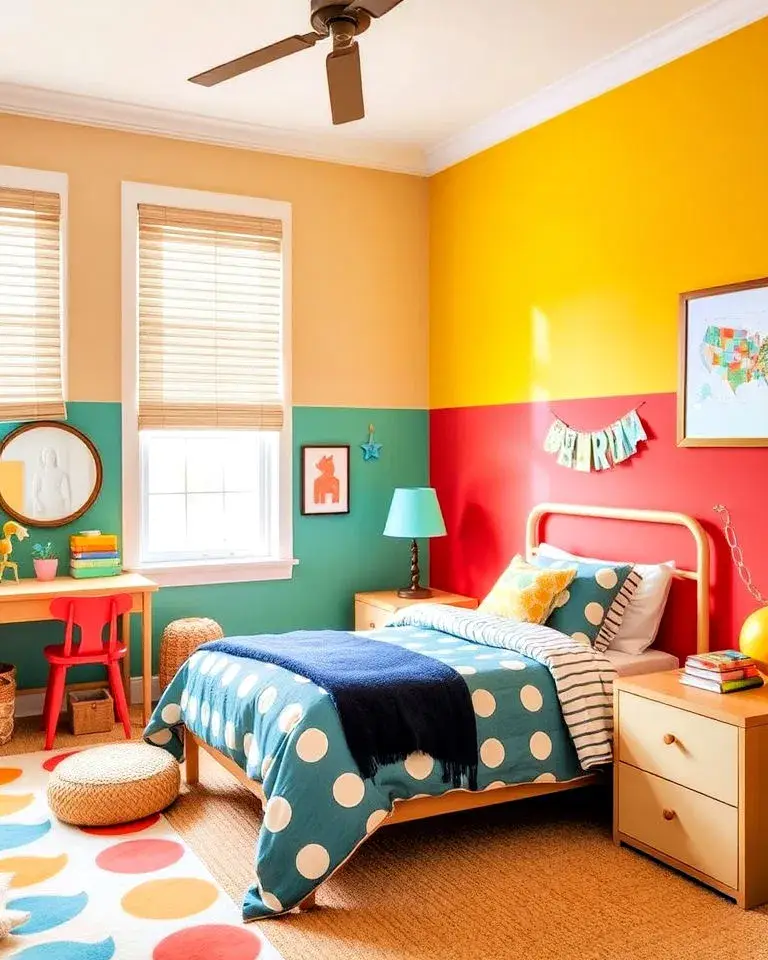
To kickstart your color selection journey, consider engaging your child in the process. Allow them to express their preferences and choose colors that resonate with them, which can encourage their creativity and self-expression. Many online tools are available to help visualize paint colors in a virtual setting, making it easier to envision the final result. Think carefully about the emotional atmosphere you want to create; different colors can evoke a spectrum of feelings. For instance, soft pastels are perfect for newborns, while bold, vibrant shades can energize an older child's space. Timeless colors like beige-gray can provide a versatile backdrop that grows with your child. You can also enhance the room by painting furniture pieces in complementary colors, transforming them into eye-catching focal points. Experimenting with shades of the same color can create a harmonious look, while introducing a third accent color can add a playful touch. Finally, consider painting patterns instead of opting for wallpaper, as this DIY approach allows for greater creativity and personal expression. With these thoughtful tips, you can design a beautiful and functional space that nurtures your child's development and reflects their individuality.


We excel in providing the highest customer satisfaction when it comes to painting services. As a team we travel to all parts of Melbourne, Victoria.
© 2026 KD Painting Group . Powered by BurstNET Technologie